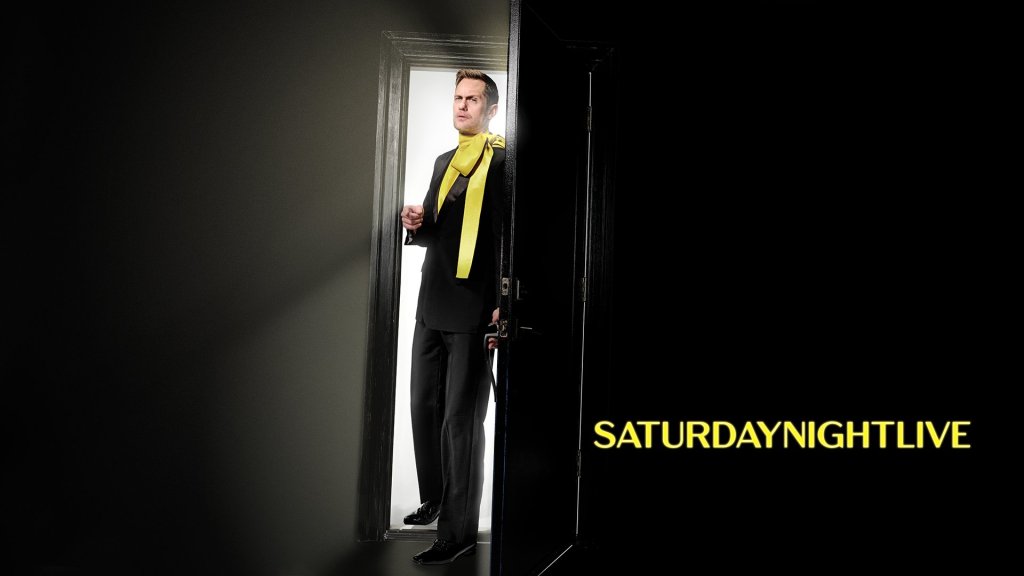
In this episode we discuss Alex Skarsgård’s hosting debut on SNL’s historic 1000th episode, which aired January 31st, 2026. We offer mixed reviews — Chuck and Luvell found it enjoyable and a step up from recent weeks, while Charisse found it somewhat boring. We dive deep into two standout sketches: “Mom’s Confession,” in which a mother admits she may have been wrong about Trump, sparking discussion about cognitive dissonance, forgiveness, face-saving, and political reconciliation; and “Viking Raid,” which explores themes of belonging, friendship, power dynamics, and psychosocial needs through an absurdist comedic lens. Readings and resources include classic social psychology research regarding cognitive dissonance and fundamental psychosocial needs and Aristotle’s Nicomachean Ethics, as well as documentaries, dramas, and sitcoms.
Listen on Libsyn:
Listen on Apple Podcasts:
Readings/Resources
Aristotle. (1998). Nicomachean ethics (D. Ross, Trans.; J. L. Ackrill & J. O. Urmson, Eds.). Oxford University Press. (Original work written ca. 350 BCE)
Festinger, L., & Carlsmith, J. M. (1959). Cognitive consequences of forced compliance. Journal of Abnormal and Social Psychology, 58(2), 203–210.
Duplass, M., & Duplass, J. (Executive Producers), & Maclain, W., & Chapman, W. (Directors). (2018). Wild wild country [TV series]. Duplass Brothers Productions; Netflix.
Demme, J. (Director). (2008). Rachel getting married [Film]. Sony Pictures Classics.
Garcia, G. (Writer), & Fryman, P. (Director). (2005). Pilot (Season 1, Episode 1) [TV series episode]. In G. Garcia (Executive Producer), My name is Earl. Twentieth Century Fox Television; NBC.
 SNL101
Leave a comment